
Friday, December 13, 2024
Is 48: 17-19; Mt 11:16-19
Today’s Gospel highlights the irony in the attitude of the people of Israel.
In some ways, today’s Gospel is a continuation of yesterday, where we find Jesus and John complementing each other through their style of life and ministry.
The response adopted by John and Jesus to deliver God’s message differs from each other.
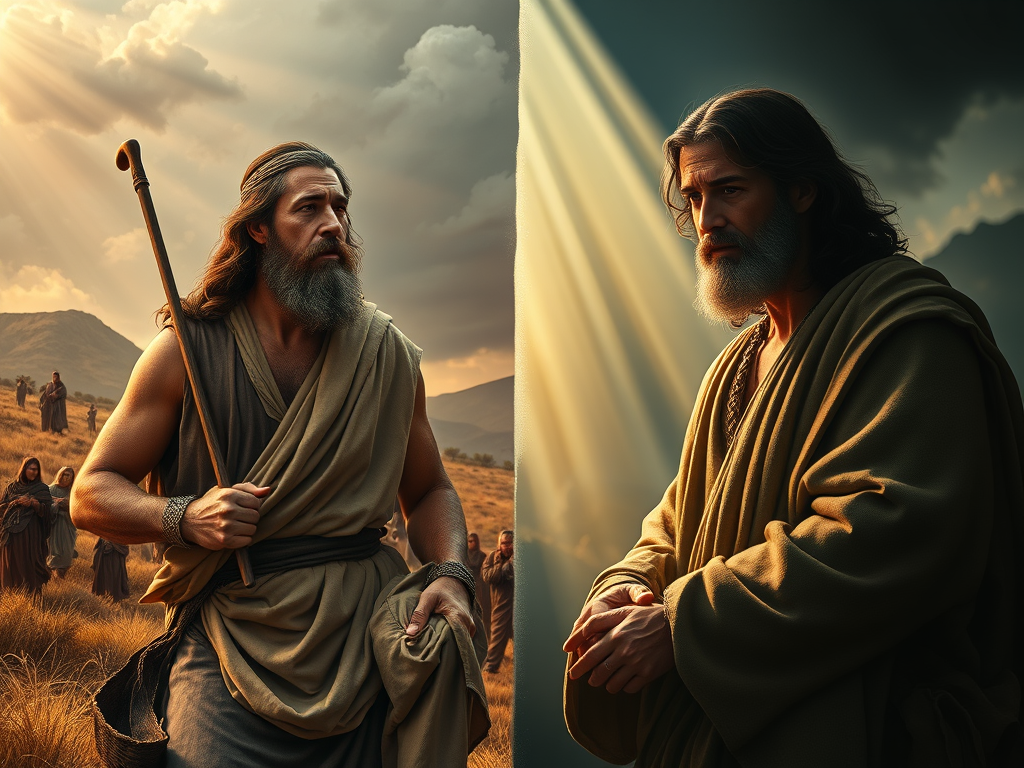
While John came preaching a prophetic message, people found it hard to accept, much less live by it. Not only was John’s message harsh for the people of his time but also he himself lived in the wilderness, away from human settlement. The spirit of renunciation that John embraced was unimaginable for others to imitate. In sum, John was feared for the use of incisive language that reminded them of divine judgement.
However, Jesus came up with a different response, which we can explain more through his relational attitude. His message was predominantly a message of love, compassion, and forgiveness. He led his life in the company of people, particularly his disciples, true to the verse that ‘God pitched His tent among his people’ (Jn 1:14). But again, the radicality of Jesus’ message was hard for people to live by. Though Jesus was a carrier of the message of God’s love, his message was resented, and his lifestyle itself was found fault with by his haters.
In sum, while people could not accept the harshness of John’s prophecy, they were challenged by the radicality of Jesus’ message.
When we analyse the patterns of God’s mission by John and Jesus, we are compelled to ask, ‘Who was wrong: John and Jesus or the people?’
Without making any sincere attempt to embrace either of the responses between John and Jesus, it is ridiculous that people accuse both, though these two were the only possible responses.
By accusing both, it is the people who stand accused. By negating both, it is the people who stand negated. By condemning John and Jesus, it is the people who stand condemned.
The theory of fundamental option states that we make a basic choice for or against God. As such, when it comes to moral decision-making, neutrality is not a possibility.
Either we side with the good and prove ourselves to be God’s disciples or find ourselves on the side of evil and become its accomplices.
What we celebrate at Christmas is a God who took sides with His people against oppression.
Let us pray that we may have the gift of discernment to be good and do good all our lives.
Fr. Dhinakaran Savariyar
Discover more from Gospel Delights
Subscribe to get the latest posts sent to your email.