
Sunday, October 29, 2023
Thirtieth Sunday in Ordinary Time
Ex 22: 20-26; 1 Thes 1:5-10; Mt 22:34-40
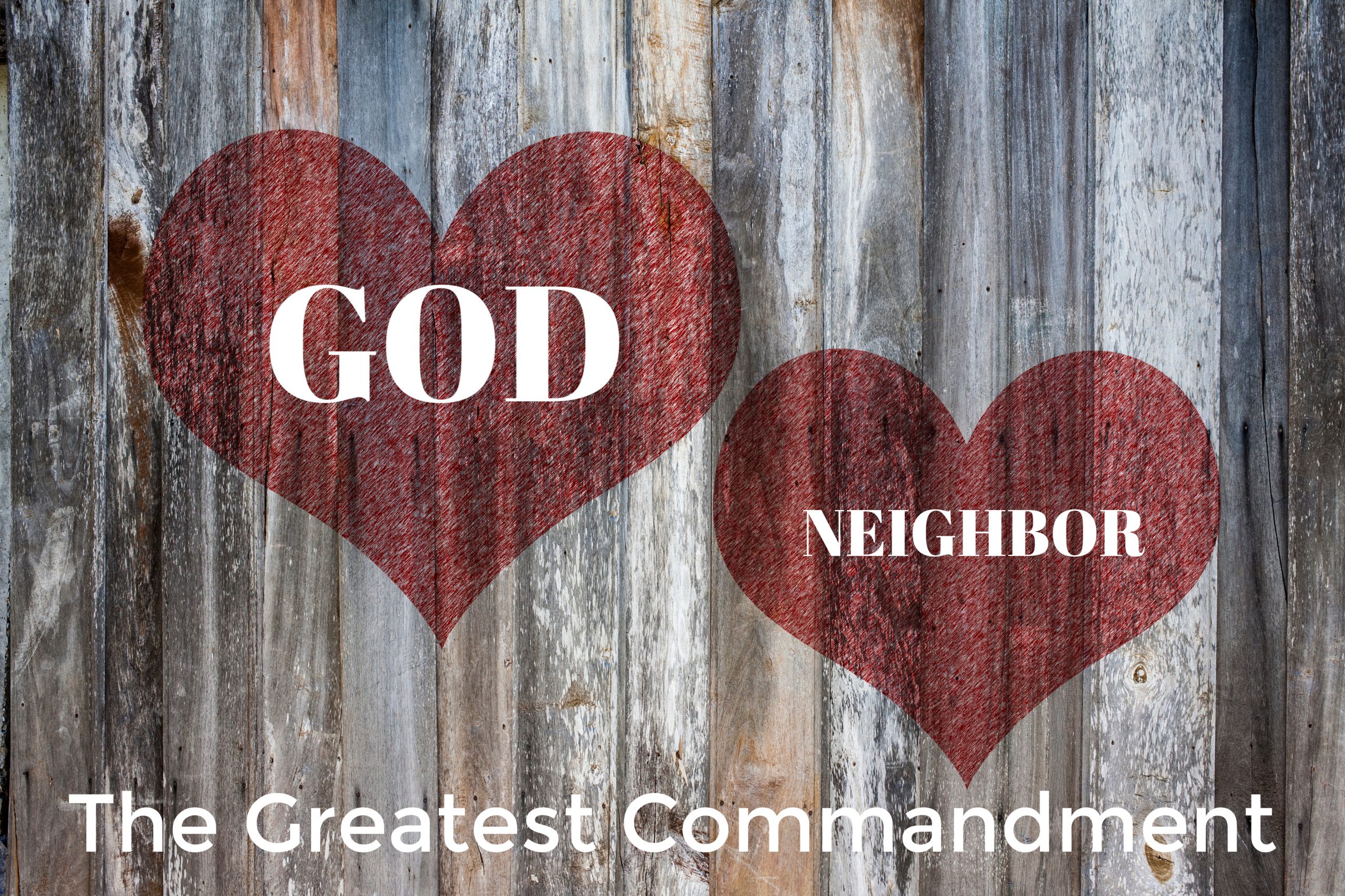
The thirtieth Sunday invites us to practice love as a foundational Christian trait! The two-dimensional Christian love (Love of God and Love of Neighbor) is a visible theme in all three readings.
The first reading presents a zealous God who is concerned about the suffering humanity. The first part of the first reading reminds the Israelites to be kind toward aliens. By reminding them of their past as strangers in the land of Egypt, God makes it a criterion for their kindness. God wants their bitter past to shape their attitude and behaviour towards others who undergo a similar fate. In the second part, God instructs them to be compassionate because compassion is God’s nature. If they worship God truthfully, then kindness and compassion should become the identifying marks of God’s people.
It is interesting to note that God takes the cry of the poor personally. The tears of the poor and the helpless will hold the oppressors accountable in the presence of God. As a follower of a zealous God, is the love of neighbor a personal cause for me? We are called to reflect on it!
The second reading highlights Paul’s joy at seeing the Thessalonians become powerful witnesses to the Gospel they received. Though they were new converts, the Thessalonians became models for other regional churches like Macedonia and Achaia. Paul exclaims that ‘he did not need to say anything’ because the Thessalonians not only sounded forth God’s Word but also made others witness the transformative power of God’s word in their lives. The Thessalonians responded to the Good News in word and deed. In their love for God’s word, the Thessalonians also became examples of love for others to emulate. The second reading leaves behind important questions for our reflection: Has God’s Word taken flesh in me? If so, how do I manifest it in my day-to-day activities?
In the Gospel, Jesus talks about the greatest commandment.
At first, the life of Jesus is the clearest explanation of the commandment. The ‘vertical relationship’ of Jesus (with God the Father in heaven) always found its fulfilment in his ‘horizontal relationship’ with people (his love for people like sheep without a shepherd). Jesus thus demonstrated that the best way to love God is to love neighbors in whom God is made visible because they are bearers of God’s image and likeness. As such, the love of God without the love of neighbor is fake. 1 John 4:20 reads, ‘If anyone says, ‘I love God,’ but hates his brother, he is a liar.’
Secondly, the source and summit of the Christian life are the love of God and the love of neighbor. If the love of God is our source, its summit is the love of our neighbor. The latter is a natural corollary of the former.
Thirdly, if the Ten Commandments received by Moses offered a summary of Scriptural morality, Jesus reduced the ten into its two constituent elements: love God and love neighbor. The greatest commandment is, then, the grammar of Christian morality.
Jesus’ life is a powerful manifestation of the greatest commandment. He loved God through his obedience. He loved us by laying down his life on the cross.
The cross symbolizes the radical love of Jesus for us. Looking at the cross, one cannot but ask ‘why?’
Fr. Dhinakaran Savariyar
Discover more from Gospel Delights
Subscribe to get the latest posts sent to your email.