
Saturday, March 7, 2026
Mic 7:14-15, 18-20; Lk 15:1-3, 11-32
Today’s Gospel highlights two different ways of relating to God – coming near and going away.
The central question that The Parable of the Prodigal Son answers is not who the real sinner is but who is willing to come closer to God’s love.
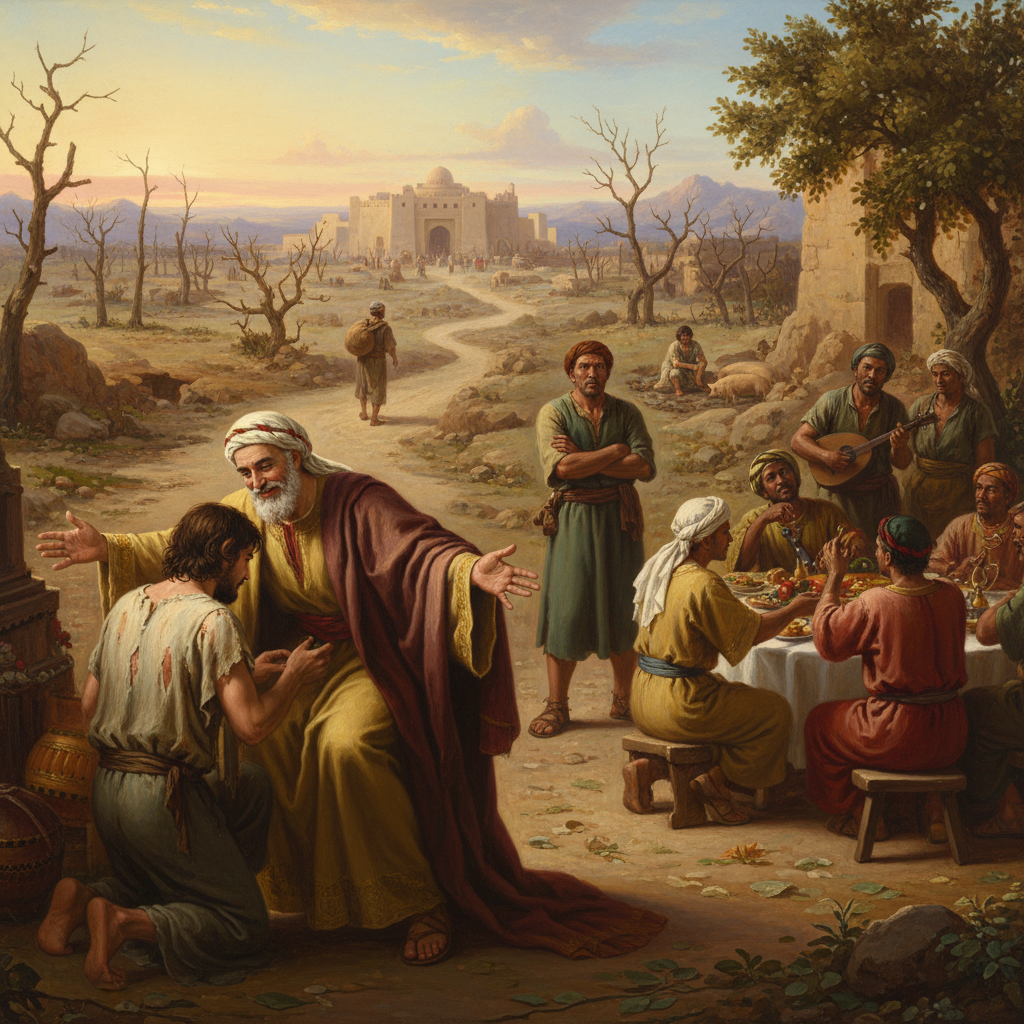
The Coming Near: The opening words of the Gospel read that ‘Tax collectors and sinners were all drawing near to listen to Jesus.’ In the parable, we find the prodigal younger son returning to his Father after a wayward life away from him. The tax collectors and sinners are like the younger son in the parable who returns to God in repentance. In essence, the text shows that those who were considered immoral drew near to Jesus in repentance.
We must note that when the younger son, who represents the tax collectors and sinners, ‘came to his senses,’ he did not assert his entitlement but only hoped for mercy from his loving Father. Indeed, he was not perfect but had the courage to return to his Father and thus acknowledged his need to stay close to Him.
The Going Away: The text describes that ‘The Pharisees and scribes began to complain.’ In the parable, the older son develops resentment towards his prodigal younger brother who just returned. The Pharisees and scribes resemble the older son by distancing themselves from Jesus in resentment because he ‘welcomed sinners and ate with them.’ In sum, those who were considered righteous stood apart from Jesus in resentment.
We must note that the older son, who represents the Pharisees and scribes, misunderstands that, through forgiveness, his wayward brother has been unjustly made equal to him. He fumes that his obedience and righteousness were not properly rewarded. Thus, he resents the mercy that his Father shows towards his brother. In the same way, the Pharisees and scribes were scandalized by Jesus’ love and acceptance towards the tax collectors and sinners.
Heart of the Father: What does the Father do in all these? The Father’s nature represents unchanging love. He runs to embrace the younger son, who returns and restores him to full sonship. He pleads with the older son, begging for his patience, understanding, and generosity towards his younger brother.
We must note that while the Father’s love does not change, the response by both sons is different. The younger son draws near his Father in repentance; the older son moves away from his Father’s presence in resentment.
Let us pray that we may respond to God in humility and love.
Fr. Dhinakaran Savariyar
Discover more from Gospel Delights
Subscribe to get the latest posts sent to your email.