
Sunday, August 4, 2024
Eighteenth Sunday in Ordinary Time
Ex 16:2-4, 12-15; Eph 17, 20-24; Jn 6:24-35
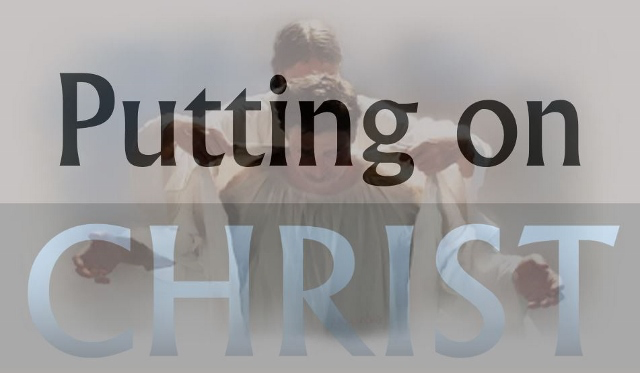
Eighteenth Sunday invites us to practice a higher form of discipleship by putting on Christ.
Those who follow Christ are called to rise above the challenge of leading an ordinary life that does not know Christ.
The readings highlight how we should do this.
The Gospel sets the tone for our reflection today. The crowd of followers asks Jesus, ‘Rabbi, when did you get here?’ Jesus does not mince words when he responds, ‘You are looking for me because you ate the loaves and were filled.’ Jesus condemns the attitude of the crowd that follows him because it only has material fulfillment in mind. Though they had seen enough signs to believe in Jesus, they could only tie those signs to some material gain. They looked for a sign only to satisfy their intellectual curiosity and not to believe in Jesus. Their love for materiality closed their vision to the things of God. Hence, their attitude disappoints Jesus.
Secondly, when they talk of signs, they recall their ancestors eating manna in the desert. Because they cited manna as an example of a sign they could think of, Jesus highlights the three essential differences between the manna their ancestors ate and the bread of life that he is. Jesus makes it clear that manna was the gift of God, not of Moses. Similarly, manna was not the veritable ‘bread of heaven’ just as Jesus is. There is a difference between ordinary food that fills the stomach and the bread of heaven that gives life. Jesus, born in Bethlehem (the House of Bread), is the giver of life-giving bread through his sacrifice on the cross. Finally, manna was a gift from heaven for God’s chosen people. Whereas the bread from heaven is meant for the whole world.
Thirdly, after pointing out the materiality of their search and demonstrating the differences between manna and the bread of life, Jesus wants them to focus on what is eternal. While claiming, ‘I am the bread of life,’ Jesus wants them to give up their search for food that perishes but to work for the food that endures. Here, Jesus underlines the need to ‘work’ for the food that is eternal. What kind of labor or work does Jesus hint at? The faith is our labor. Faith is the food that gives us eternal life. Faith is the highest kind of work. It is our faith in Jesus, who is the bread of life, that transforms our search from the material to the spiritual.
The first reading highlights the showering of manna and quail, for the people of Israel in the desert. God blesses them with manna and quail even when they grumble and murmur against God. The problem with their attitude is that they are not able to cherish the freedom that the Lord has given them but speak highly of the food that they ate as slaves. They seem to prize the food above their freedom from the Egyptians, which the Lord has won for them. Though His people are ungrateful, God is merciful, so that He rains down manna and quail from heaven.
In the second reading, Paul’s instruction to the Christian community at Ephesus can be summarized through two words: putting off and putting on. Paul’s words make it clear that Christians cannot behave like the Gentiles do. Christian behavior should have a marked difference because they ‘learned’ Christ. For Paul, learning Christ means letting the change be seen in our lives. As such, those who learned Christ should put off their unhelpful old selves and put on the newness that Christ has given us. Paul does not suggest making a few changes to our behaviour but recommends a total revamp of ourselves, following Christ in faith.
The readings for the eighteenth Sunday invite us to perform a self-examination. Three questions will help us in this regard.
1.What do we seek? This question is meant for our discernment. We are defined by what we seek. If so, what must we seek: things of the world or things of God? It is high time we refined our search if it is worldly.
2. How permanent is it? This question is meant for our evaluation. Jesus wanted the crowd to give up their memory of manna and embrace the fact that ‘He is the bread of life.’ What is our ‘manna’? How can we embrace the ‘bread of life’?
3. What must we do to seek the eternal? This question is meant for our decision. This question helps us realize that what we seek must be larger than ourselves. We discover the eternal when we align with God’s will for us.
The readings have shown us the importance of rising above ordinary or mundane lifestyles as Christians.
Living a higher form of discipleship happens by putting on Christ. Let us pray for the grace!
Fr. Dhinakaran Savariyar
Discover more from Gospel Delights
Subscribe to get the latest posts sent to your email.