
Tuesday, July 28, 2026
Jer 14: 17-22; Mt 13: 36-43
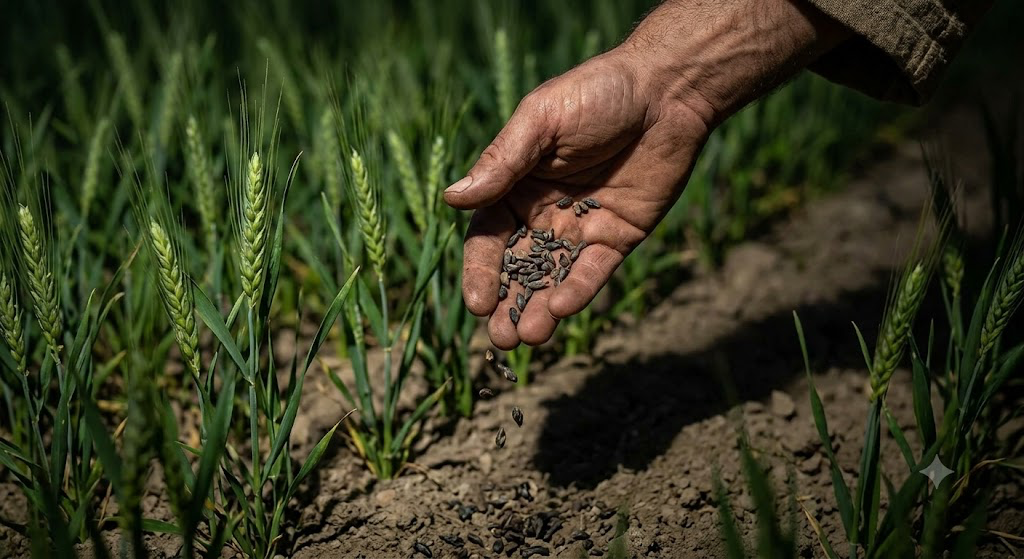
Today’s Gospel highlights Jesus’ explanation for the Parable of the Weeds.
In his discussion, Jesus underlines that the Son of Man sows good seed while the weeds themselves, sown by the Devil, represent the children of the Evil One. In other words, Jesus equates the Son of Man with goodness and the Devil with evil.
How can we understand God as goodness?
Thomas Aquinas established the good God to be the source of all existence and that everything that exists is inherently good. While God is the source of goodness for Aquinas, he explains evil as ‘privation of good’ (privatio boni), fundamentally rejecting the idea of ‘good versus evil’ as two equal powers or a dual force. Thus, for Aquinas, good is primary and fundamental.
Secondly, Aquinas demonstrates that the good God is not or cannot be the author of evil. If evil were a created substance, God would be its creator as well. Thus, by defining evil as a lack or deficiency, the angelic doctor not only rules out God as the author of evil but also holds creatures responsible for bringing about evil, especially when they fail to act according to their proper nature.
Evil as privation of good invites us to consider a factor from the natural world too. ‘Nature abhors a vacuum.’ Empty or unoccupied spaces do not stay empty for long, and something will always rush in to fill a void. Going by that logic, we are called to align ourselves with God’s good work so that we may stay away from the parasitic influence of evil.
The children of the good God are called to pursue what is good and holy because, with God, being and goodness are one and the same.
Let us pray for grace and courage to strive to be the children of the good God.
Fr. Dhinakaran Savariyar
Discover more from Gospel Delights
Subscribe to get the latest posts sent to your email.